


Security serves to protect people, buildings, premises, and property from danger. Security forces monitor entrances, check vulnerable areas, and respond to suspicious activity or disturbances. Their presence can deter potential offenders and help prevent theft, vandalism, and unauthorized entry.
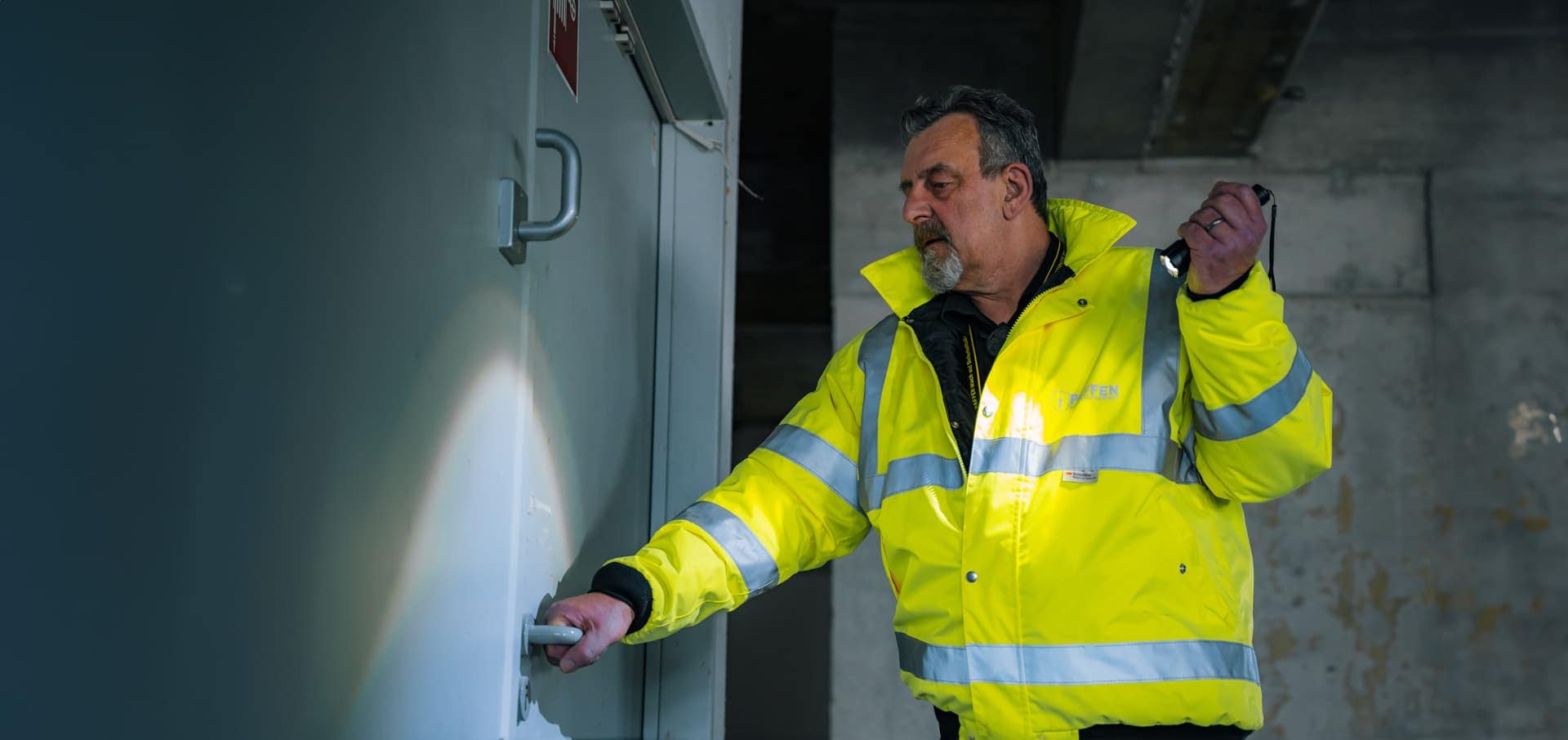
Every guarding task involves an "active custodial activity". This can mean the temporary supervision of certain areas. However, it also describes guarding tasks that are performed by means of recurring checks.
The tasks of a security service They are based on the respective location and the need for protection. Security duties include, for example, the Object protection, the Site security and the Construction site security. Depending on the assignment, security personnel are permanently on site or monitor the facility at agreed times.
Security requires attention, clear responsibilities, and a defined approach to any incidents. Security personnel must be familiar with the facility, its potential vulnerabilities, and the applicable service instructions. This allows them to assess whether a situation deviates from normal operations and what measures are required.
Typical tasks are:
Which of these tasks are to be used is agreed upon in advance. Careful training ensures that the employees involved know their responsibilities and the reporting channels.
In the case of object protection, for example, office buildings, residential complexes, warehouses, or public facilities are the focus. Security forces control entrances, check the building’s locking system, and monitor for unauthorized persons. Even vacant properties can be monitored to detect burglaries, vandalism, or unnoticed damage early on.
In factory security, surveillance is closely linked to operational processes. In addition to protecting buildings and facilities, it often involves controlling the movement of people, vehicles, and goods. Security personnel monitor entrances, accompany non-employee personnel as required, and report security-related malfunctions. In doing so, they must take production processes, delivery traffic, and the specific requirements of individual operating areas into account.
Construction sites often offer numerous access routes and change with the progress of construction. At the same time, machinery, tools, and materials of considerable value are stored there. Site surveillance can control access, make unauthorized entry more difficult, and detect suspicious activities early on. Especially outside of working hours, checkpoints or permanent presence help secure the premises.
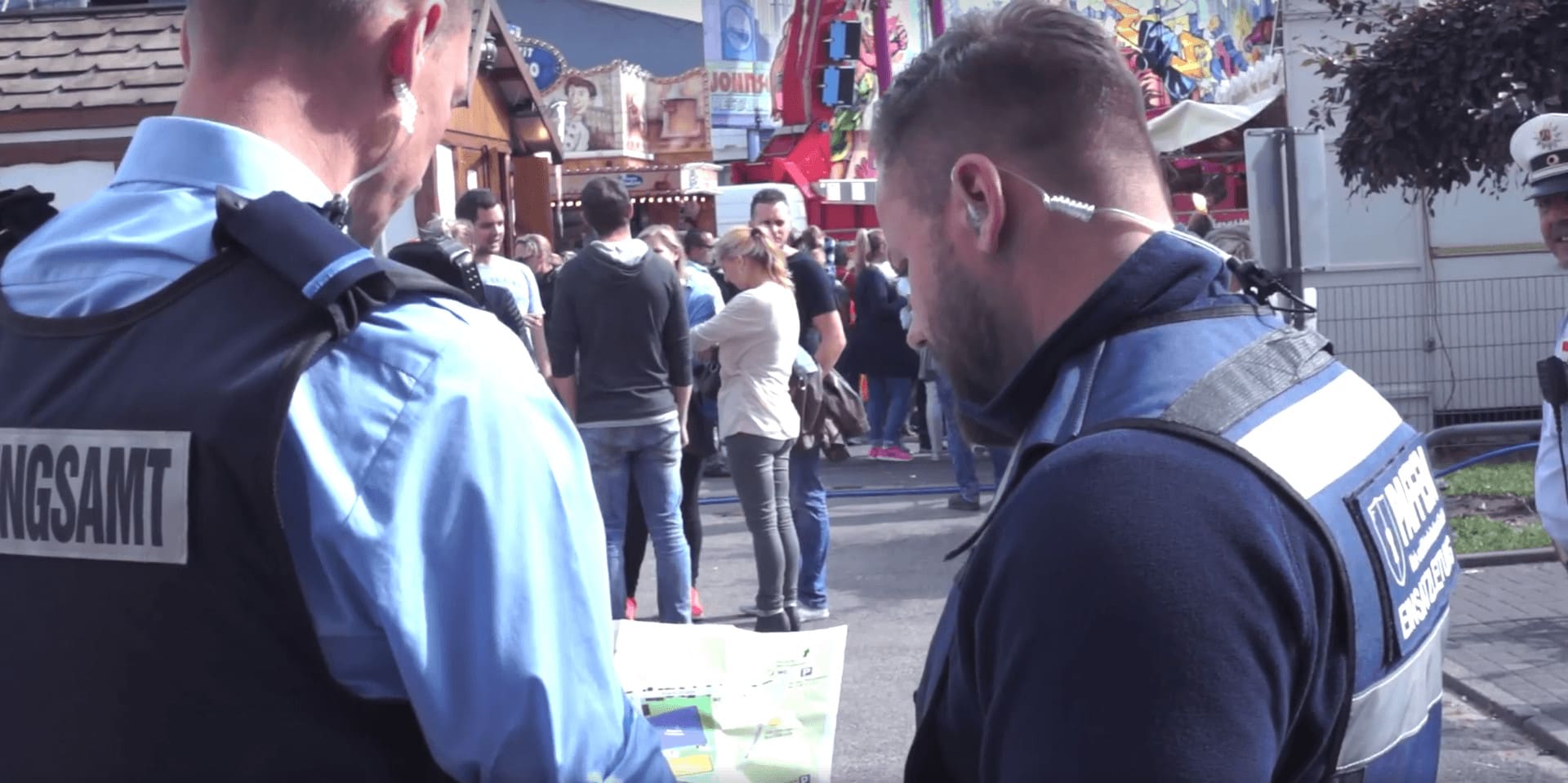
At events, entry controls, the safeguarding of non-public areas, and monitoring of visitor flows are among the possible tasks. Depending on the security concept, for example, stage entrances, backstage areas, cash registers, or parking areas are managed. Which positions need to be filled depends on the event, the local circumstances, and the expected risks.
In the case of a stationary guard service, security personnel remain at the property during the agreed deployment times. This enables short response times and continuous supervision, for example at a works gate or on a larger construction site. If required, the guard service can be organized around the clock.
For other objects, mobile inspections are appropriate. In this case, a patrol service drives around the premises at agreed times and checks designated inspection points. There is no continuous personnel presence between visits. Whether this model is adequate must be assessed based on the protection needs and additional security technology.
A combination is also possible: for example, a staffed reception during business hours and patrols at night.
Effective protection is achieved through the interplay of personnel, structural precautions, security technology, and clear procedures. Fences, gates, and resistant doors make unauthorized access more difficult. Alarm systems and video surveillance can help detect abnormalities and initiate targeted inspections.
Organizational measures determine who is allowed to enter which areas, how keys are issued, and who is to be informed in the event of an incident. Security forces implement these requirements in everyday life and respond to situations that require a personal assessment.
A reliable deployment planning is also important. Regular breaks, breaks, and complete handovers help ensure that employees remain attentive and that relevant information remains available even during a shift change.
Each facility has different requirements for its security. An office building with public traffic requires different procedures than a construction site or a production facility with night deliveries.
At Paffen Wach- & Sicherheitsdienst, we customize the security tasks to your location, operations, and the agreed-upon protection needs. Together, we determine which areas need to be secured, when personnel is needed on-site, and how controls, reports, and responses are organized. This ensures a security service with clear responsibilities and traceable processes.
Paffen Sicherheitsdienst offers you all security services from a single source.
We would be happy to create a customised security concept for you!