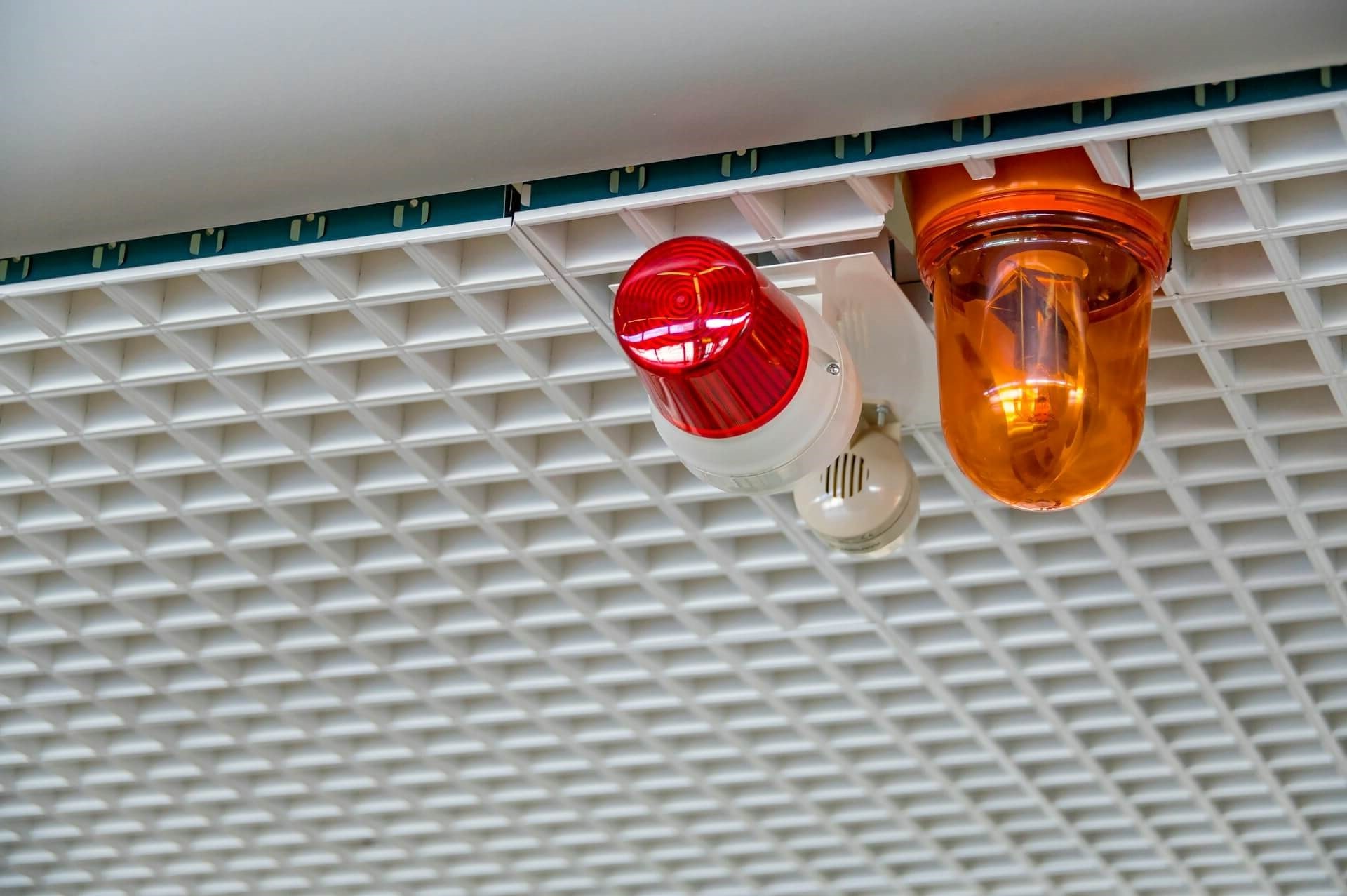


A Alarm centre is a place where alarm notifications are received, reviewed, and processed. For example, if an alarm system detects a possible break-in, the employees assess the situation and take appropriate measures, such as sending a security officer to the premises or calling the police.
When receiving an incoming emergency call, the staff of the control center first gather the most important information: What happened? Where and when did the incident occur? Who is affected and what dangers exist? Based on this information, they assess the situation and initiate the necessary measures. Depending on their responsibilities and the situation at hand, they alert the emergency services, the fire department, or the police. If necessary, additional personnel such as the Technical Rescue Service are called in. If several units are involved, the responsible control center coordinates their interventions.
Telephone and radio systems are available for communication. A backup power supply and redundant technical systems help maintain operations even in the event of power outages or technical malfunctions.
The control center processes incoming emergency calls according to established procedures. First, the staff members record all relevant information in the emergency management system and assess the urgency. Based on this information, they decide which personnel and vehicles are needed. In doing so, they follow the applicable emergency plans and, where applicable, the alarm and response order (AAO).
Subsequently, the control center alerts the appropriate forces and transmits the deployment order with the most important information about the event, the location, and any potential hazards. The alert is transmitted via the designated communication channels, such as digital message receivers or data radios. The goal is to quickly provide appropriate assistance and comply with applicable time requirements.
During the deployment, the control center maintains contact with the deployed personnel and receives reports on the situation on the ground. If further assistance is needed, it triggers a follow-up call – for example, additional ambulances, a rescue helicopter, or specialized personnel for hazardous material incidents. In the event of poisoning, a poison information center can be called in for expert advice.
Even in larger deployments, the control center keeps the available resources in view so that further emergencies can be handled. If necessary, the population is alerted in coordination with the relevant authorities, for example through warning apps, sirens, or radio announcements. All reports, decisions, and actions are documented to ensure a clear understanding of the deployment process.
In integrated control centers, the tasks of the fire department and emergency services are combined. Depending on the organization, they also take on tasks in disaster management and oversee several counties or municipalities. This collaboration facilitates coordination and enables the shared use of personnel and technical equipment. At cooperative control centers, police and non-police control centers work together under one roof, but retain their respective responsibilities.
Additionally, there are private emergency call and service centers that receive alarm notifications from connected security systems. For example, if an alarm system detects a possible break-in, the employees check the alarm using the available information and the agreed alarm plan. In doing so, they also take into account any possible technical malfunctions or false alarms. Depending on the situation, they notify designated contacts, dispatch an intervention service, or inform the police, fire department, or ambulance service.
For these processes to function reliably, employees must be qualified and regularly trained for their duties. Equally important are the maintenance of the technical systems as well as up-to-date alarm plans and contact details. The requirements and tests that apply depend on the type of control center, its tasks, and any certification that may be in place.
The manned control center is distinct from the technical alarm center of a hazard detection system. The latter receives and processes the signals from connected detectors. During an alarm, it controls the intended functions, such as a siren or the transmission of the alert to an emergency response and service center.
We from Paffen Security service help you protect your company and its operations. In Object protection and Site security We will adjust the security measures to your premises, your risks, and the procedures in place there.
Paffen Sicherheitsdienst offers you all security services from a single source.
We would be happy to create a customised security concept for you!