Fire protection generally refers to all measures that are used either to prevent the occurrence of fires, i.e. fire and smoke, or to combat them.
Accordingly, a distinction is also made between defensive fire protection, which includes all measures that are initiated once a fire has started, and preventive fire protection, which includes all measures that are taken to prevent a fire from starting in the first place.
 In preventive fire protection, a further distinction is made between structural, technical and organisational fire protection.
Preventive fire protection is legally regulated in a variety of ways, firstly by building regulations, regulations on escape route planning, numerous DIN standards (including DIN EN 13501, DIN EN 1992-1-2, DIN EN 1993-1-2, DIN EN 1995-1-2 and DIN 18230 for structural fire protection) and other regulations. Fire protection is therefore a complex field. For new buildings in particular, a fire safety expert may have to be appointed to draw up a fire safety report before the building supervisory authority approves the building. Fire protection and building regulations are a matter for the individual federal states in Germany, which means that the detailed regulations can vary considerably. In any case, there is a great deal of room for discretion in the assessment of preventive fire protection measures. This is not so much due to overly lax laws as to the fact that fire protection measures have to be planned individually for each building. This is why experts and qualified fire protection reports are so important.
Structural fire protection includes all direct structural measures that are taken during the construction of a building in order to efficiently prevent fires or their rapid spread if a fire does occur.
On the one hand, the use of flame-retardant or non-combustible building materials should be considered. All building materials are categorised into different fire classes in a DIN standard. Structural fire protection measures also include the installation of fire barriers in the building insulation to prevent the fire from spreading to the storey above, for example, or the erection of firewalls.
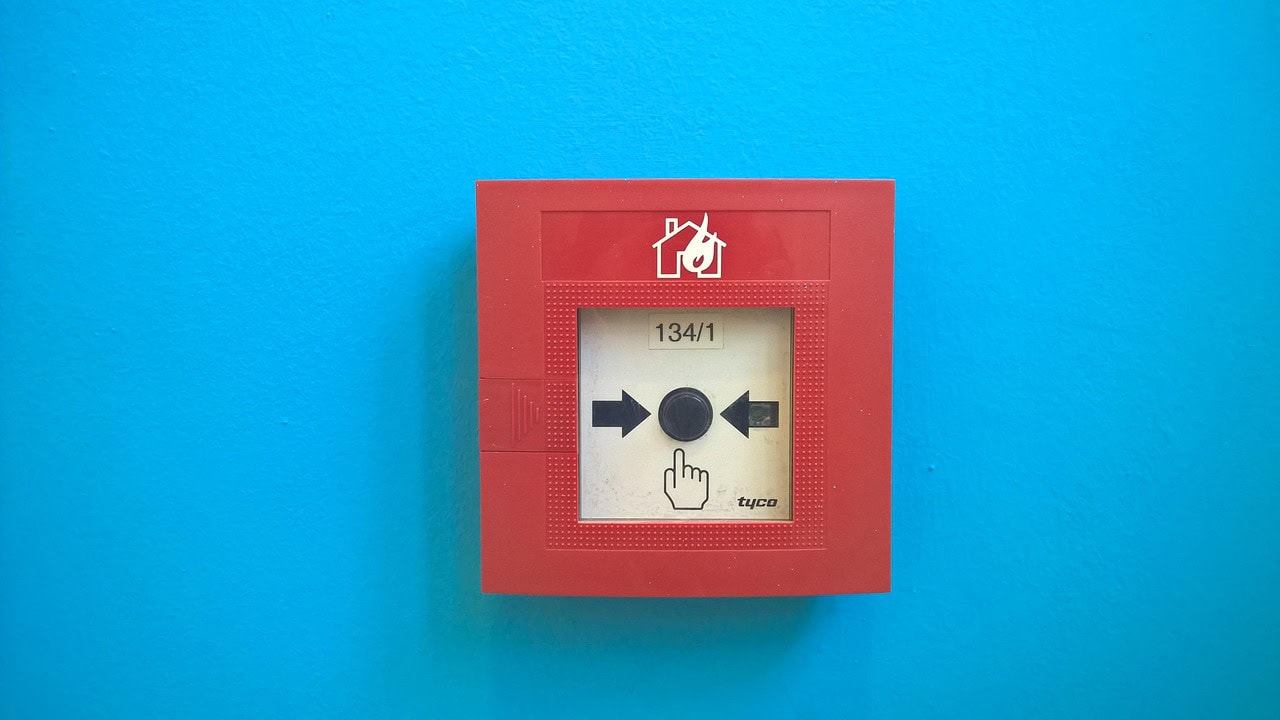
As the name suggests, system-based fire protection includes all technical installations and systems in a building that serve to prevent fires. These can be systems that detect fires and/or smoke and emit an alarm in the event of a fire (e.g. smoke detectors), but also systems with an extinguishing function. These include sprinkler systems, for example, but of course also fire extinguishers or smoke extraction systems. There is also equipment that can support the work of the fire brigade in the event of a fire. Examples include fire service lifts.
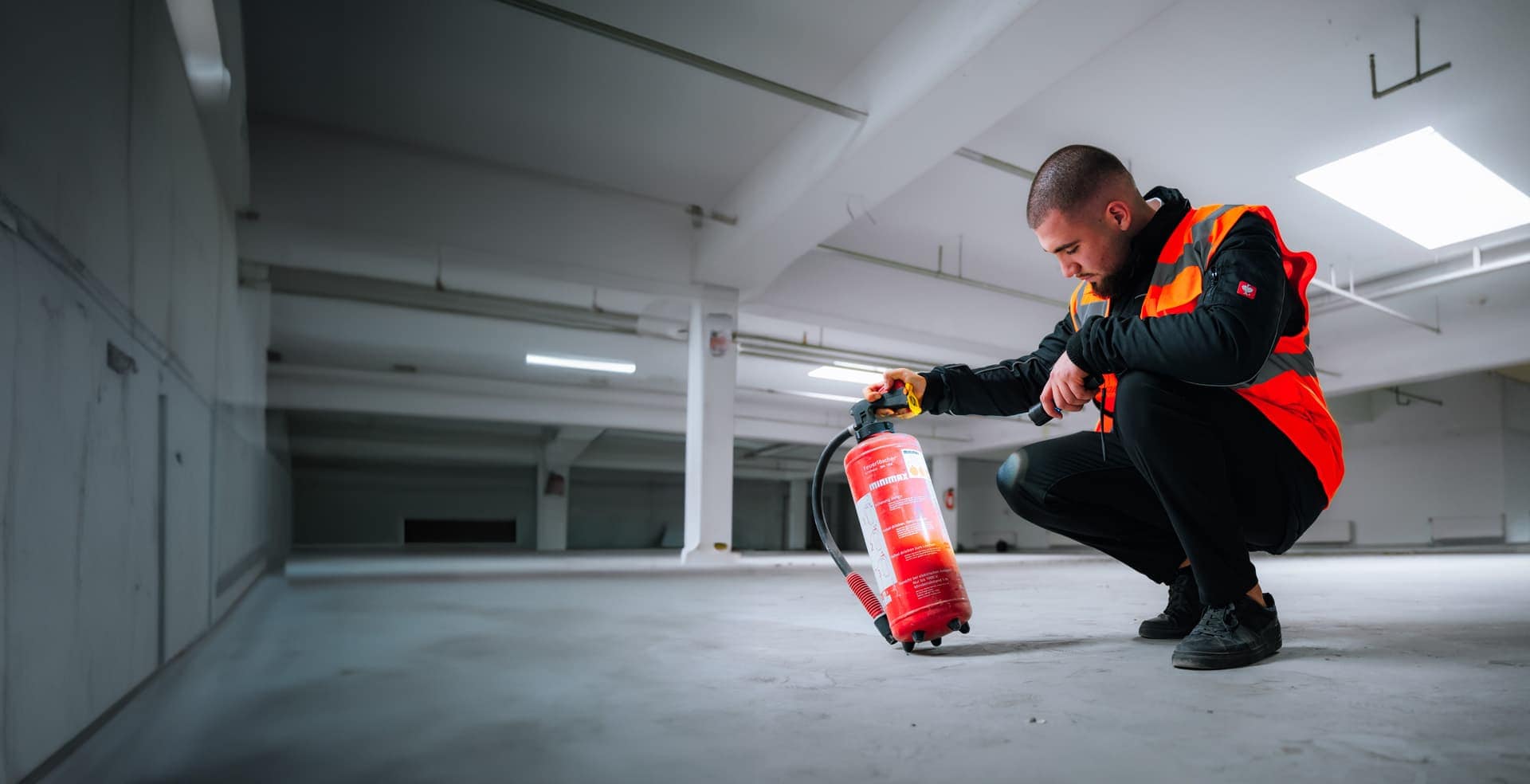
Organisational fire protection refers to all measures that are not of a technical or structural nature and that complement these measures in a meaningful way. These are primarily maintenance and servicing activities, for example the correct and regular inspection and repair of extinguishers, sprinkler systems, etc. However, organisational fire safety also includes the display of notices with emergency measures, fire safety regulations, the marking of escape routes and emergency exits, etc. In other words, these are activities that ensure that all structural and technical fire protection measures work in an emergency and that the people affected are informed about how to deal with them and how they should generally behave in the event of a fire (e.g. calling the fire brigade, gathering at the assembly point, etc.). In addition to leaflets and signs, this can also include staff training.
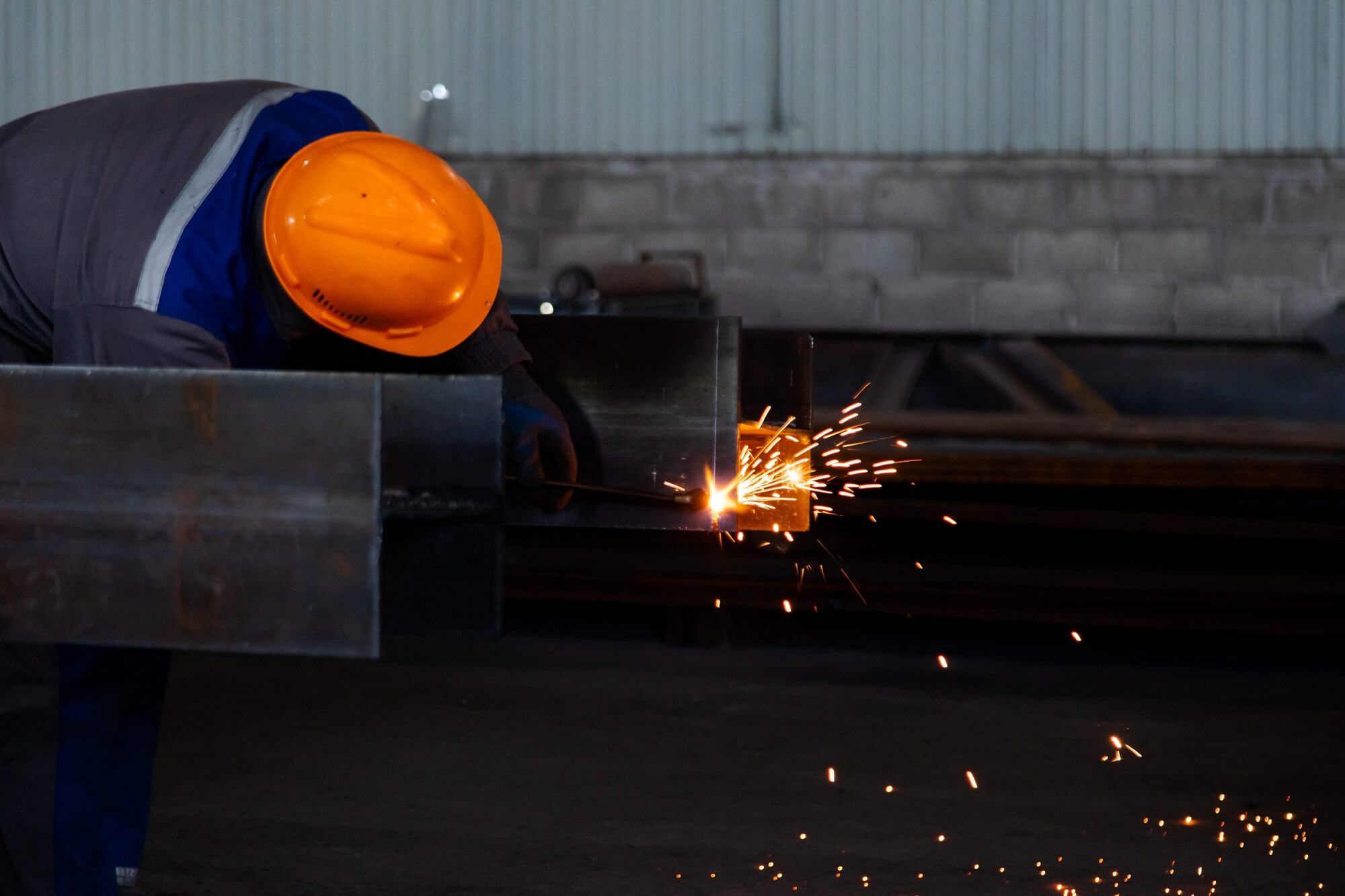
However, the organisational part of fire protection can also include involving external personnel in order to actively prevent fires. This can be a fire guard who is trained to recognise fire hazards and initiate the right measures immediately in an emergency. In some companies, a fire watch can also be used to monitor work that is a fire hazard or where controlled work with fire is carried out (e.g. welding work, work on gas pipes or in the engine rooms of ships).
A comprehensive fire protection concept therefore includes not only proper structural and technical fire protection, but also extensive organisational fire protection. This includes the appointment of a fire safety officer. This fire safety officer takes care of all matters relating to fire safety in the company (ensuring that escape and rescue routes are clear, that the fire alarm system is properly maintained, etc.). Fire safety assistants should also be appointed. Fire safety assistants take on predetermined tasks in the event of a fire breaking out.
Defence fire protection naturally primarily comprises the tasks of the fire brigade, i.e. everything that is done by the emergency services when a fire has broken out: rescue, recovery, extinguishing and protection. In addition to the primary goal of saving lives and extinguishing the fire, defensive fire protection is also about minimising the damage caused by a fire. Smoke and extinguishing water often damage things that are spared by the fire itself to such an extent that they have to be disposed of later.
In large buildings with a comprehensive fire protection system, the ventilation switches off automatically as soon as smoke is „detected“ by the smoke sensors. Fire dampers and smoke control doors close. This should normally ensure that smoke cannot spread any further in the building. In rare cases, smoke curtains are also used, which do not hinder escape from the building.
The fire behaviour of building materials is of great importance for fire protection. For this reason, different requirements apply to the fire behaviour of building materials depending on the building class. The building material classes are regulated in DIN standards 4102-1 and DIN EN 13501-1. However, the best building material is of no use if the processing of the components among each other is not clean and, for example, fire barriers, which ensure clearly demarcated fire compartments in the building, are not properly installed. Therefore, when planning the construction, in addition to the correct building materials, components, fire walls etc., attention must always be paid to the careful implementation of the plans for structural fire protection. In addition, the importance of organisational fire protection should never be underestimated. Only if fire protection systems, extinguishing systems and fire extinguishers are properly maintained and their operation is clear to everyone will a safety concept actually be of any use.
Yes! Site security fire safety officers, also known as fire safety assistants, are mandatory in the company. To this end, fire safety assistants must complete a training course so that they can fulfil their tasks competently. Of course, they not only need to know how to operate fire extinguishers, but also where the escape routes are and how to escape or evacuate from a burning building without panic if possible. The demands placed on fire safety assistants and their responsibilities are therefore anything but low. If there is a normal fire risk in the respective company, 5 % of the workforce must be trained as fire safety assistants, and even more if there is a high fire risk.
By the way: The Paffen Security service also provides Fire guards and fire posts for work involving a fire hazard.
Paffen Sicherheitsdienst offers you all security services from a single source.
We would be happy to create a customised security concept for you!