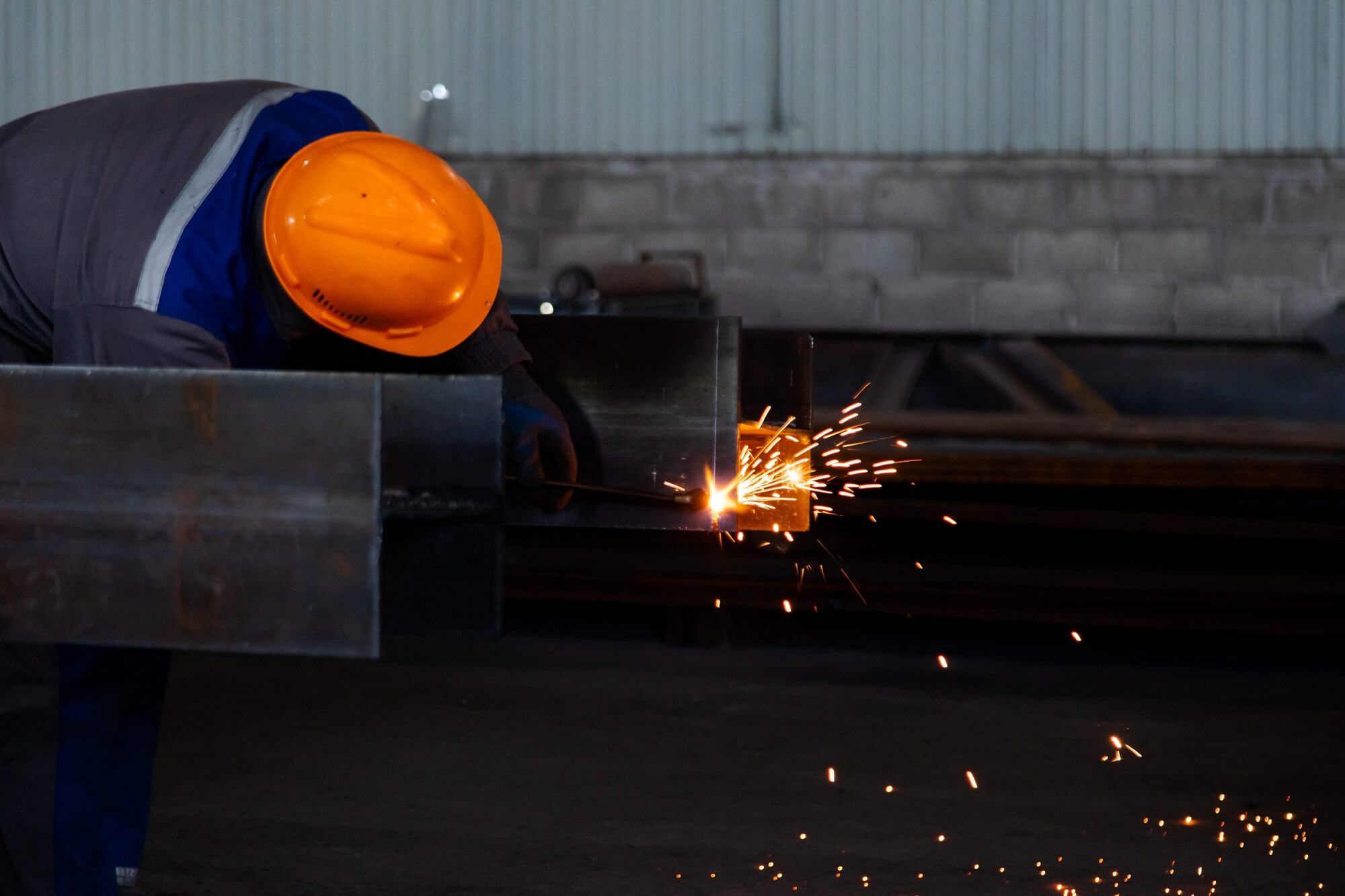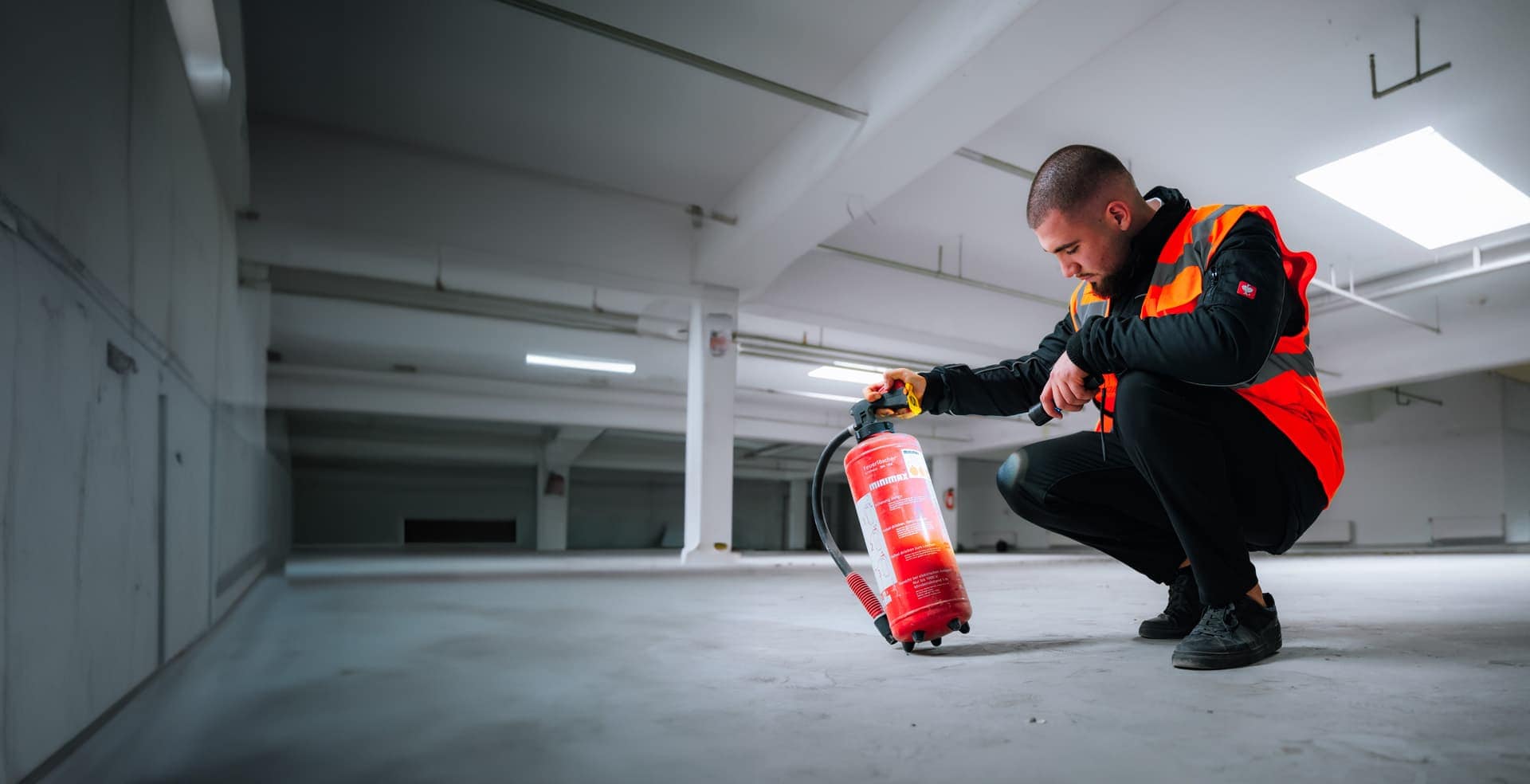
The term "fire classes" refers to the grouping of different flammable substances. The fire classes are divided into 6 different classes:
Flammable materials are categorised into fire classes A, B, C, D and F in accordance with the European Union's EN 2 standard. The EN 2 standard replaced the national standards, such as DIN standards ÖNORM (F 1003) or (DIN 14406).
The different fire classes are so important because each fire must or can be extinguished differently. There are suitable extinguishing agents for each fire class. However, there are also unsuitable extinguishing agents, for example a grease fire must never be extinguished with water. This would cause the fire to spread suddenly like a wall of fire due to the condensation of the small water droplets. This would put all bystanders in considerable danger. There would also be a risk that the fire would spread rapidly due to the reaction or the failed attempt to extinguish it with water.
Fire class A includes all solid materials. This includes, for example, wood, hay, paper, textiles, plastics and many more. Liquid or liquidising substances are assigned to fire class B. This includes candle wax, petrol, diesel, paints, ethanol, tar and others. Gaseous substances can be found in fire class D. Gases include methane, ethane, propane, butane, hydrogen and acetylene. As described above, this class was abolished in 1978 and previously applied to fires in low-voltage electrical installations up to 1000 volts. Nowadays, all standard fire extinguishers can be used for such fires if the necessary minimum distance can be maintained. This class was therefore no longer specifically required. Fire class F includes fats and oils, especially cooking oils and cooking fats. Oils in deep fryers are one of the most common sources of fire in the home. However, cooking oils and fats in a frying pan and deep fat fryers are also responsible for kitchen fires. Strictly speaking, fats are liquid or liquidising substances and could also be classified in category B. However, they have been categorised in their own fire class F due to the enormous danger.
By the way: The Paffen Security service also provides Fire guards and fire posts for work involving a fire hazard. If you also need to secure your buildings and business premises, we are also happy to provide a comprehensive Object protection or Site security ready for you.
Paffen Sicherheitsdienst offers you all security services from a single source.
We would be happy to create a customised security concept for you!